
Blog / Shelton Nissan Service

How Often Should You Get a Tire Alignment for Your Nissan?

tire alignment 3 (2)

Proper tire alignment is key to keeping your Nissan in top shape. When your tires are properly aligned, your car handles better, your tires last longer, and your fuel efficiency improves. But how often should you get a tire alignment? In this blog, we’ll answer that question and explain why tire alignment is so important for your Nissan.

What is Tire Alignment?

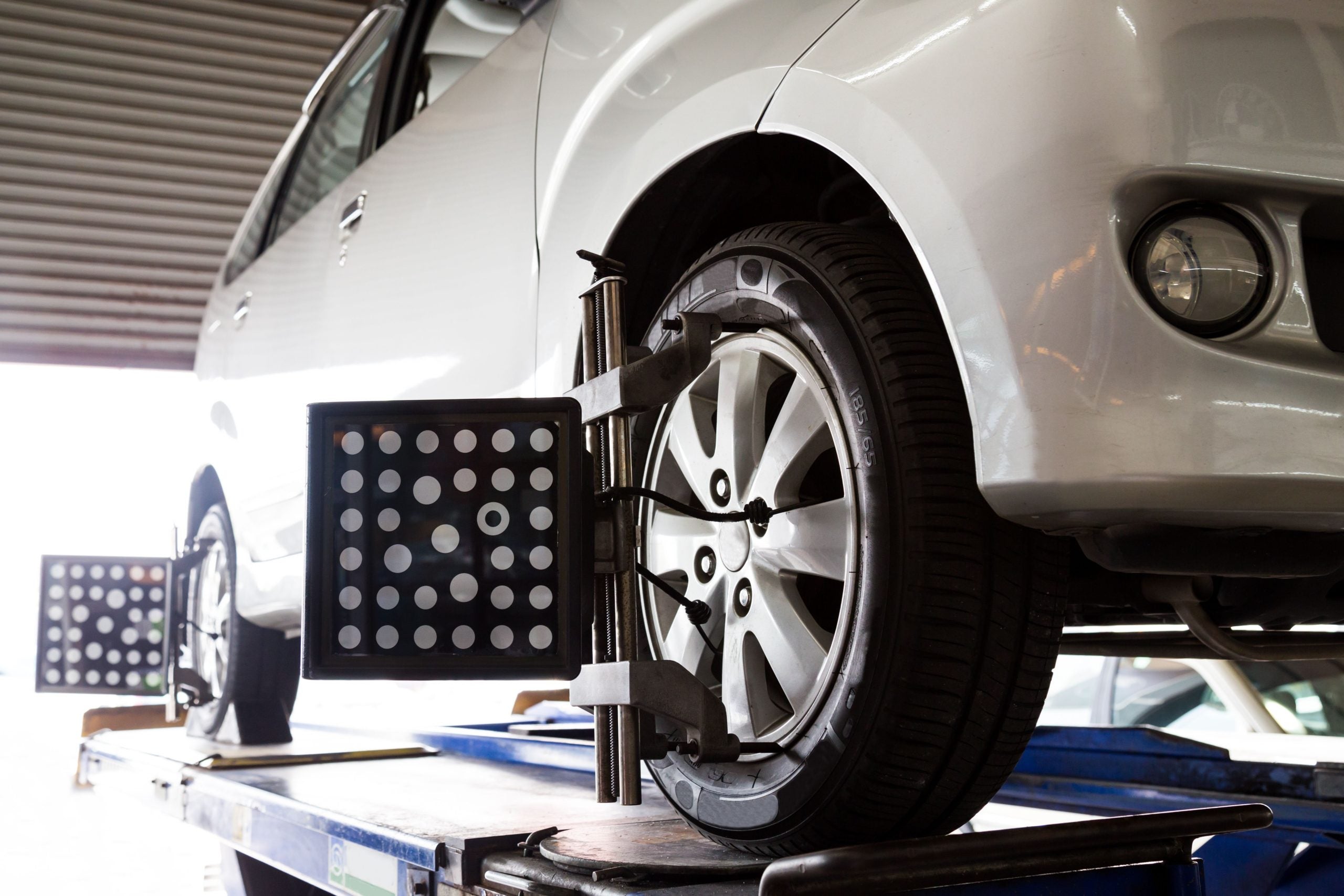
Tire alignment is the process of adjusting the angles of your car’s wheels so they are aligned with each other and the road. When your tires are aligned correctly, they wear evenly, help you steer smoothly, and improve your vehicle’s overall performance. If your alignment is off, your tires might wear unevenly, and your car may pull to one side, making driving less safe.

How Often Should You Get a Tire Alignment for Your Nissan?

Generally, it’s recommended to get a tire alignment every 12,000 miles or about once a year. However, this timeline can change depending on your driving habits and the condition of the roads you drive on. Regular checkups are important because tire alignment can shift over time due to normal wear and tear.

Signs You Might Need a Tire Alignment

Even if it’s not time for a routine alignment, there are some signs that your tires may need adjustment sooner. Here’s what to look out for:

  • Uneven Tire Wear: If your tires are wearing unevenly or more quickly than expected, your alignment could be off.
  • Steering Wheel Pulling to One Side: If your car pulls to the left or right while driving straight, this is a common sign of misalignment.
  • Crooked Steering Wheel: If the steering wheel appears off-center when driving straight, it’s time to check the alignment.
  • Vibrations While Driving: Misaligned tires can cause vibrations in the steering wheel or throughout the car, especially at higher speeds.

Factors That Can Affect Tire Alignment

Several factors can cause your tire alignment to shift, including:

1. Potholes and Bumps

Hitting a pothole or bump can knock your car’s suspension out of alignment. If you’ve recently encountered rough road conditions, it’s a good idea to check the alignment.

2. Accidents or Collisions

Even a minor fender bender can affect your tire alignment. If your Nissan has been in an accident, it’s important to have the alignment checked.

3. Regular Driving

Over time, driving on rough roads or frequently turning sharply can impact the alignment. If your driving habits involve more aggressive turns or braking, it may lead to misalignment.

Why Is Tire Alignment Important?

Proper alignment helps your Nissan in several ways:

  • Better Tire Life: Correct alignment ensures that your tires wear evenly, which can extend their lifespan and save you money on replacements.
  • Improved Fuel Efficiency: Proper alignment reduces rolling resistance, helping your car achieve better fuel economy.
  • Better Handling: An aligned vehicle handles better and offers a smoother ride, improving your driving experience.
  • Enhanced Safety: Misalignment can affect steering and control, potentially making your vehicle harder to handle, especially in emergency situations.

Get Your Tire Alignment at D’Addario Nissan

If you’ve noticed any of the signs of misalignment, or it’s been a while since your last alignment, it’s time to schedule a service. At D’Addario Nissan, our experienced technicians will ensure that your tires are properly aligned so you can enjoy a smooth, safe ride.

Visit us today for a quick tire alignment check. We’ll make sure your Nissan is in the best shape possible for the road ahead.
Posted in:

Related Posts

Car wheel maintenance in garage

Nissan Tire Maintenance Tips to Extend Tire Life

Your tires have a tough assignment. Four small patches of rubber carry the entire weight of your Nissan, deal with acceleration and braking, absorb potholes, handle corners, and somehow maintain traction when the weather gets ugly. A little routine Nissan tire care can help those tires last longer, wear more evenly, and give you an early warning when something isn't right. For Nissan owners around Shelton, CT, it starts with a few checks that don't require much time. Tire Pressure: A Small Number with a Big Job Proper tire pressure affects tread wear, handling, ride quality, and fuel economy. When a tire is underinflated, more of its surface can flex and contact the pavement, creating additional heat and wear. Overinflation can create its own problems by changing how the tire contacts the road. Check your tire pressure regularly and before longer trips, ideally while the tires are cold. You'll find Nissan's recommended pressure on the vehicle's tire information placard, generally located around the driver's door area. Don't confuse that figure with the maximum pressure printed on the tire itself. If one tire consistently loses air while the others don't, adding air every few days isn't much of a repair strategy. That's a good reason to schedule a tire inspection and find out where the pressure is going. Tire Rotation Spreads the Work Around Tires don't necessarily wear at identical rates. Steering, braking, drivetrain layout, vehicle weight, and driving habits can place different loads on the front and rear tires. Leave them in the same positions indefinitely, and one pair may reach the end of its tread life while the others still have miles remaining. Regular Nissan tire rotation moves the tires between positions to encourage more even wear. Follow the rotation interval and pattern recommended for your Nissan and tire setup instead of assuming one schedule applies to every vehicle. Your Tread Has Things to Tell You Tread depth plays a major role in maintaining traction, particularly on wet pavement. As the grooves become shallower, the tire has less ability to channel water away from its contact patch. Periodically inspect your tires for low tread, cracking, cuts, bulges, embedded objects, and uneven wear. Tire tread-wear indicators provide another way to identify when the tread has reached its replacement limit. Pay particular attention to wear that looks different from one tire to another. Excessive wear along an edge, through the center, or in irregular patches can indicate inflation, alignment, balance, or suspension concerns. Scheduling a tire inspection in Shelton can identify the cause before the same problem chews through another set. Alignment Problems Rarely Fix Themselves A pothole doesn't care that you just bought new tires. Neither does a curb. If your Nissan begins pulling to one side, the steering wheel sits off-center while traveling straight, or you notice abnormal tire wear, it's worth having the wheel alignment checked. Nissan wheel alignment helps the tires meet the road at the angles specified for the vehicle, promoting predictable handling and more even tread wear. Vibration can also point toward a wheel or tire balance problem. If the steering wheel suddenly develops a shake that wasn't there before, don't simply learn to live with it. A tire balancing service can determine if an imbalance is contributing to the problem. Let D'Addario Nissan Help Your Tires Earn Their Keep Extending tire life isn't about performing elaborate maintenance in your driveway. Check the pressure. Watch the tread. Keep up with tire rotations. Pay attention when your Nissan starts pulling, vibrating, or behaving differently than it did yesterday. Drivers throughout Shelton, CT, can visit D'Addario Nissan for Nissan tire service, tire rotations, wheel alignment, tire inspections, and other Nissan maintenance needs. Explore the service department or schedule a service appointment online to have your tires checked by a team familiar with your Nissan.